
Technology
A surveillance camera can work where there is no mains power at all
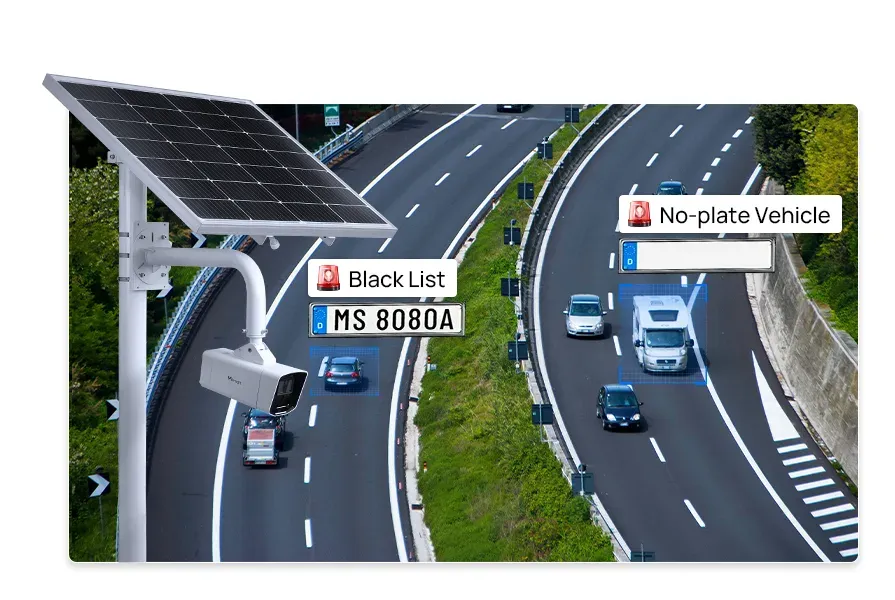
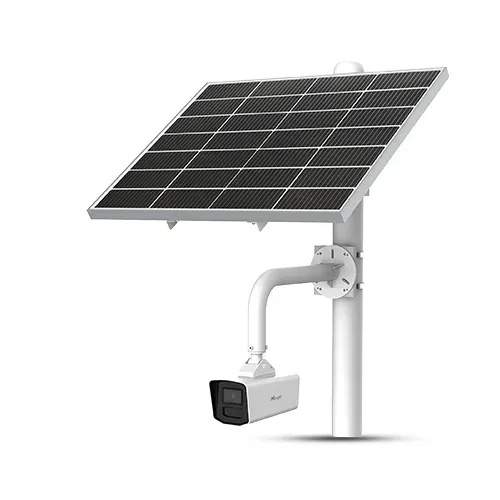
Logging vehicles at a remote point where neither power nor network cable can be run. The Milesight SP111/41L — solar, battery, 4G and ANPR done on the camera.
In Mongolia, the hardest part of putting a surveillance camera somewhere remote is often the infrastructure. Say there is one point you have to watch — on a road well outside the city, on a mine site, or at a construction project. There is somewhere to mount the camera. There is mobile coverage. But there is no power.
To run a single camera you find yourself needing to bring power several hundred metres, sometimes several kilometres. On top of that come the network cable, the ducting and the groundwork. And so putting up one camera starts an infrastructure job larger than the camera itself.
What if the camera had its own independent source of energy? That is where the advantage lies in Milesight's solar-powered ANPR camera — a plate-recognition camera with 4G or 5G connectivity.
The problem: the monitoring is needed, the power is not there
Installing a camera inside a city is comparatively easy. It takes power from the building. It joins the internal network. Whatever else it needs sits close by. Somewhere remote, none of that is ready and waiting.
A mine's secondary road, a rural road junction, a new construction site, an exploration site, a temporary checkpoint — there are many places that need watching and that neither power nor network has reached. These places are not left unwatched because nobody wants a camera there. They are hard to watch because the infrastructure to run one is missing.
Bringing power and a communications line for the sake of one camera can turn into work costing several times the camera itself. That is especially true of a site used only temporarily, or a location that keeps moving.
The answer: solar, battery and 4G in one
The Milesight SP111/41L approaches this differently. The camera brings together a solar panel, a battery, a 4G or 5G connection and ANPR — automatic number plate recognition — in one unit.
By day the panel charges the battery. At night, and on sunless days, the battery runs the camera. The 4G network carries the connection. And the ANPR processing happens on the camera itself, reading the plate of each vehicle that passes. All of which cuts the need to bring power and network cable as far as the mounting point.
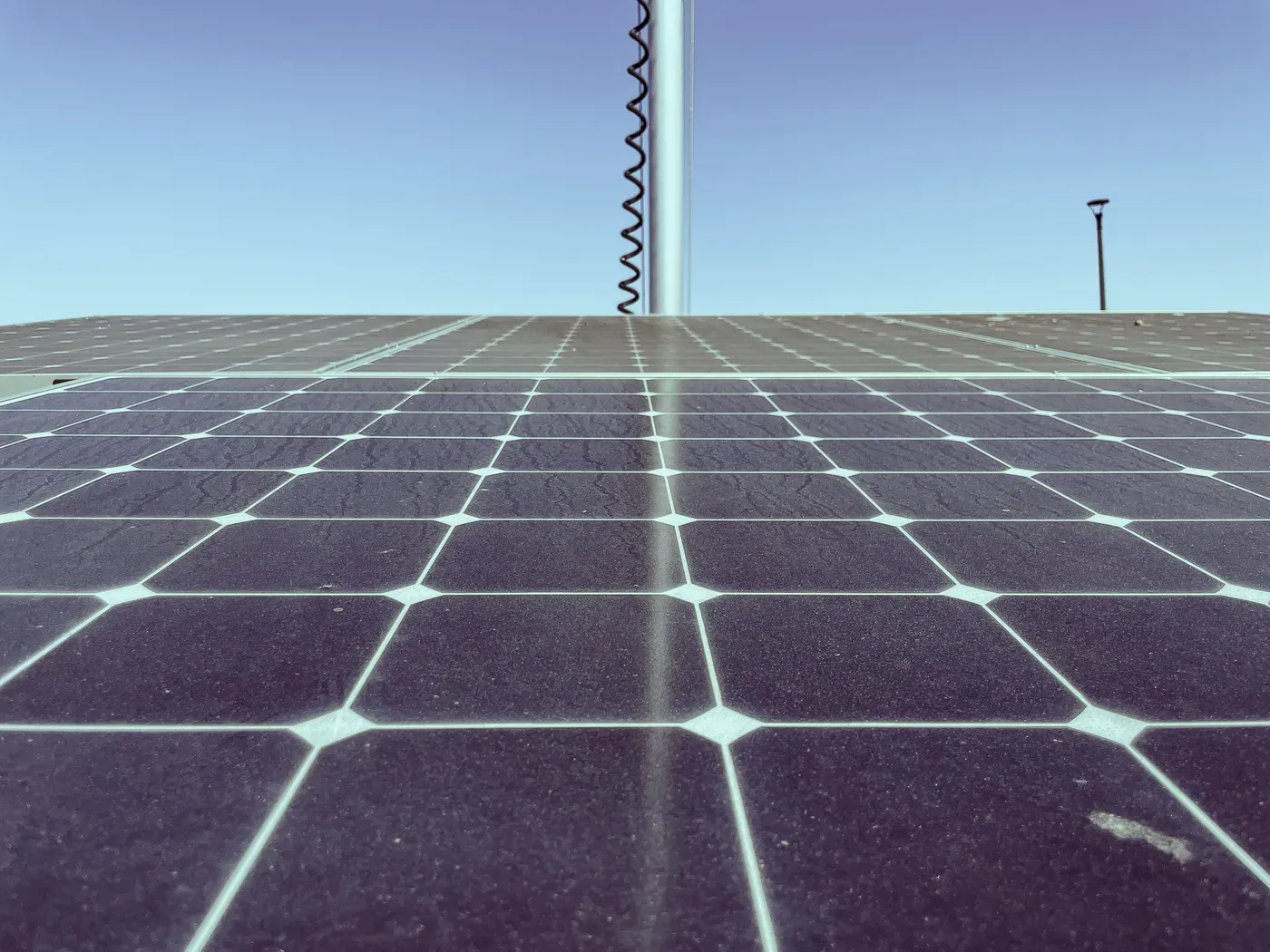
But what carries this system is not the panel, and not a big battery either
Say "solar-powered camera" and what comes to mind first is probably a large panel and a large battery. But if the camera itself draws a lot of power, a large battery becomes necessary. The larger the battery, the more capable the panel has to be. The whole system grows, and so does the cost of installing it.
So what carries this solution is not making the battery bigger. It is keeping the camera's power draw small.
By the manufacturer's specification, the Milesight SP111/41L draws roughly 0.19 W in sleep mode and 1.72 W in basic operation, rising to around 3.51 W when the infrared illuminator, plate recognition and 4G transmission are all running at once.
- 0.19 W
- Sleep modemilesight.com SP111/41L
- 1.72 W
- Basic (ANPR and 4G module off)milesight.com SP111/41L
- 3.51 W
- Maximum (illuminator, ANPR, 4G together)milesight.com SP111/41L
The infrared illuminator is not left on permanently. Running it briefly, only when it is needed, keeps the power draw down. That small-looking piece of good sense matters a great deal somewhere remote. The less power the camera uses, the longer the battery lasts. The longer the battery lasts, the more of the year the camera can stand on solar power alone.
How do you get the data out where there is no connection?
Somewhere remote and without power, there is usually no local network either. So having run the camera on solar, the next question follows. How do you get the data out? This is where 4G does its work.
Where there is mobile coverage, the data can be carried out without running fibre or a network line to the camera. That the plate recognition is done on the camera is an advantage here too. The camera does not have to send all of its video to a central server and wait for the plate to be read there. It reads the plate where it stands and passes on what is needed.
Two things matter in a remote place. Draw little power. Process what you need on the spot.
In use: say it goes on a mine's secondary road
The main gate of a mine is watched. But say there is a secondary road used on another part of a large site. Only a few vehicles a day use it, and yet you need to know which vehicle went in and out, and at what time.
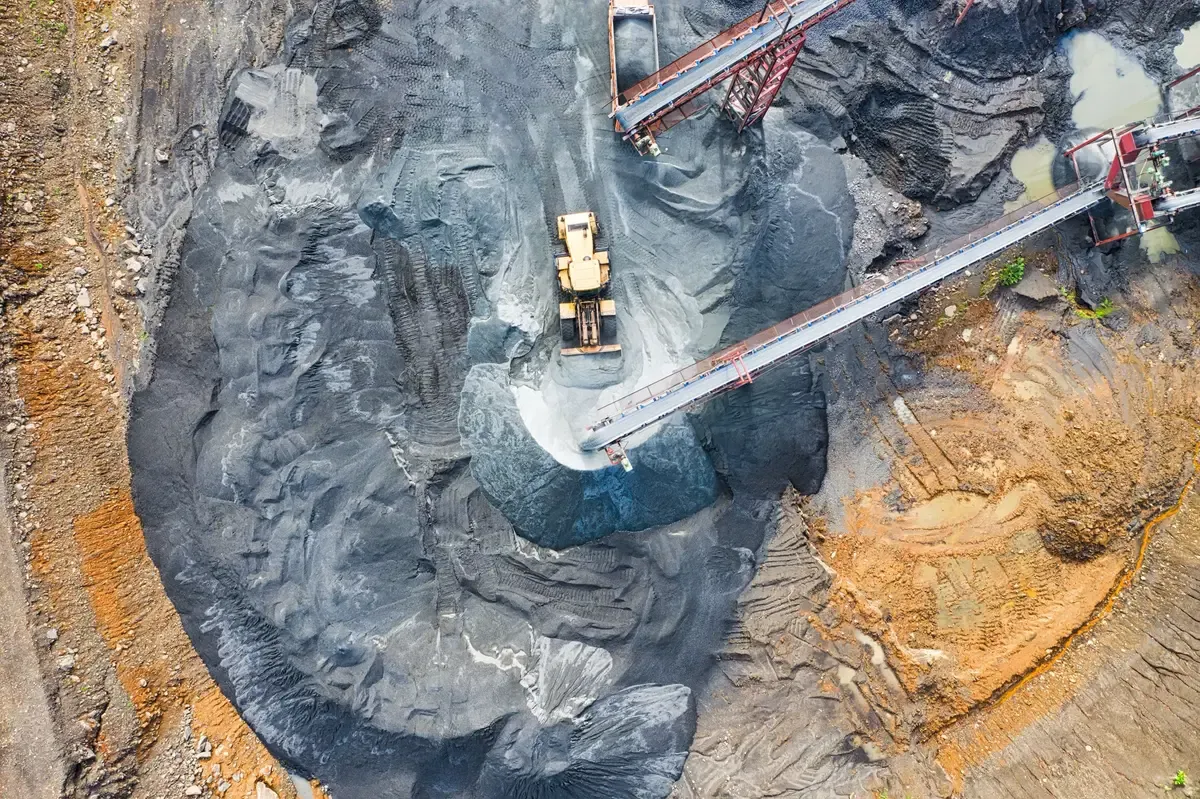
Do you post a guard there around the clock? Or bring power and a network for one camera? A solar-powered ANPR camera offers a third option.
The camera takes an image of each passing vehicle. It reads the plate. It records the time. Particular plates can be put on an allowed list or on a list that warrants attention. Vehicles with no plate at all can be detected too.
One record from the night looks roughly like this.
- Time
- 22:14
- Plate
- 1234 УБА
- Note
- Entered by the secondary road
If tomorrow someone needs to check what time that vehicle came in, there is much less need to scroll through hours of footage from the beginning. The plate, the time and the image of that moment are all kept together. And so, without anyone sitting at that point for twenty-four hours, which vehicle passed and when can still be logged.
Somewhere temporary
On a permanent site, bringing in power may well be the right investment over the long run. But what about a construction site whose work finishes in six months? A temporary exploration site? A road used only in one season? A temporary checkpoint?
Building permanent power and communications infrastructure to run one camera can be poor value in conditions like these. With a camera that has a panel, a battery and 4G, the monitoring point can be set up where it is needed. When the work at that site is done, the equipment comes down and moves to wherever it is needed next. That is an advantage above all in construction, mining and exploration, where the location keeps changing.
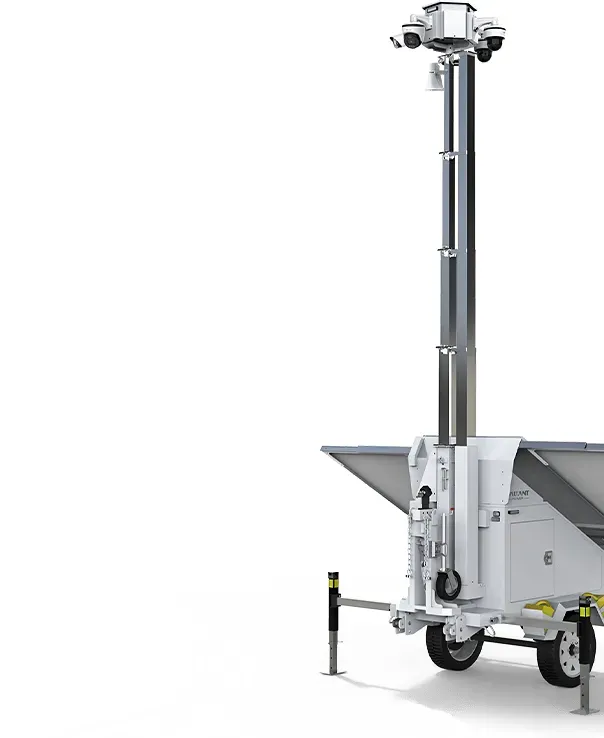
The limit: a Mongolian winter cannot be left out of the calculation
By Milesight's specification, the battery charges within a temperature range of −20 °C to +45 °C and runs on battery from about −20 °C to +60 °C. The battery system can use heating in cold conditions, but a Mongolian winter produces harder conditions than that. In some regions −30 °C, and lower, lasts for days at a time.
So the conditions of the particular place have to be worked out before a camera like this goes up. How many hours of sun does a winter day give? Where, and at what angle, does the panel go? Does the camera have to keep working through several sunless days? How much will the infrared illuminator be used at night? Is the 4G coverage steady? Where will the battery sit?
Once that is worked out, the capacity of the panel and the battery can be chosen properly. Low-power technology opens the possibility. A correct calculation is what turns that possibility into a monitoring system you can rely on.
In conclusion: bringing a point without power into the system
The Milesight SP111/41L suits conditions where power and network infrastructure have not reached, there is 4G coverage, and vehicle movement has to be monitored. It is suited above all to mines, construction sites, exploration sites, temporary checkpoints, and sites whose location keeps changing.
Where bringing power is expensive, where the use is temporary, or where a remote point needs plates and entry times logged, this is one solution to consider. Bringing solar, battery, 4G and ANPR together makes part of the monitoring system out of a point that used to be left unwatched.